Forest Fire Canada Today: Latest Wildfire Updates, Smoke Conditions and Emergency Response
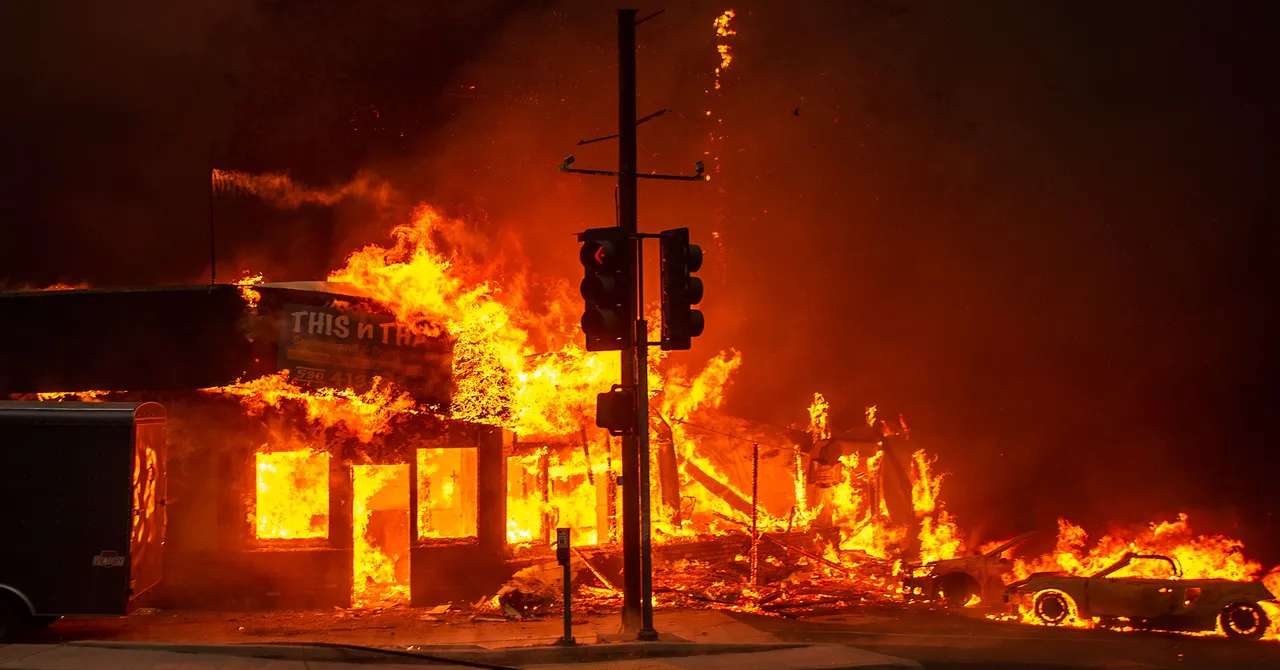
Canada is facing another intense wildfire situation as large forest fires continue to burn across several regions, threatening forests, communities, transportation routes, and air quality. Fire crews are working around the clock to contain active blazes as hot and dry conditions fuel rapid wildfire growth.
The latest wildfire activity has been especially significant in parts of northwestern Ontario, where numerous fires are active and some communities have faced evacuation alerts, travel disruptions, and emergency measures.
Authorities continue monitoring fire behavior closely as changing winds, high temperatures, and dry vegetation create dangerous conditions for wildfire expansion.
Canada Forest Fire Situation Today
Wildfire officials are reporting a challenging fire season across Canada, with hundreds of active wildfires affecting multiple provinces. Smoke from Canadian wildfires has also traveled across borders, creating hazy skies and air-quality concerns in parts of the United States.
Some of the major concerns include:
- Rapid wildfire growth due to dry forests and strong winds
- Threats to remote and rural communities
- Evacuation warnings and emergency preparations
- Dangerous smoke conditions affecting outdoor activities
- Increased pressure on firefighting resources
Fire agencies are using aircraft, helicopters, ground crews, and specialized wildfire teams to slow the spread and protect vulnerable areas.
Where Are Forest Fires Burning in Canada Today?
Current wildfire activity has been reported in several areas, with northwestern Ontario among the regions experiencing significant fire activity. Reports indicate that numerous wildfires are active in the region, with some fires growing rapidly and affecting local communities.
Other provinces that commonly experience major wildfire activity during the summer season include:
- British Columbia
- Alberta
- Saskatchewan
- Manitoba
- Ontario
- Quebec
- Northern territories
Fire conditions can change quickly, and officials advise residents to follow local emergency alerts and evacuation instructions.
Wildfire Smoke Spreads Across Canada and Beyond
One of the biggest impacts of Canada’s forest fires is wildfire smoke. Smoke from large fires can travel hundreds or even thousands of kilometres, affecting cities far from the flames.
Recent Canadian wildfire smoke has moved into parts of the United States, causing air-quality concerns and prompting residents to monitor pollution levels.
Health officials warn that wildfire smoke may create problems for:
- Children
- Seniors
- People with respiratory conditions
- People with heart conditions
- Outdoor workers
Residents are encouraged to reduce prolonged outdoor activity when smoke levels become unhealthy.
What Is Causing Canada’s Forest Fires?
Several factors contribute to Canada’s wildfire activity, including:
1. Hot and Dry Weather
Extended periods of heat can dry forests and create conditions where fires ignite and spread quickly.
2. Strong Winds
Wind can push flames into new areas and make firefighting operations more difficult.
3. Lightning Strikes
Lightning remains one of the major natural causes of wildfires in Canada, especially in remote forest regions.
4. Human Activity
Some fires are caused by human actions, including unattended campfires, equipment sparks, and accidental ignitions.
Firefighters Continue Battle Against Dangerous Wildfires
Thousands of firefighters and emergency personnel are involved in wildfire response efforts across Canada. Crews are building fire lines, protecting structures, conducting controlled operations, and working to prevent further spread.
In some areas, firefighters face extreme conditions, including intense heat, unpredictable winds, and difficult terrain.
The ongoing wildfire response requires cooperation between provincial agencies, local authorities, Indigenous communities, and emergency organizations.
Safety Tips During a Forest Fire Emergency
Residents living near wildfire zones should:
- Monitor official emergency alerts
- Prepare evacuation plans
- Keep important documents ready
- Avoid entering closed wildfire areas
- Follow instructions from local authorities
- Keep emergency supplies available
During periods of heavy smoke:
- Keep windows and doors closed when possible
- Use air filtration systems if available
- Limit outdoor exercise
- Check local air-quality reports
Canada Forest Fire Today: What Happens Next?
Officials say wildfire conditions will continue to depend on weather patterns, including rainfall, temperatures, and wind conditions. Firefighters remain focused on containment efforts while authorities track new wildfire starts.
As the wildfire season continues, residents across Canada are urged to remain alert and prepared for changing conditions.
Frequently Asked Questions (FAQ)
What is the latest forest fire situation in Canada today?
Canada is experiencing significant wildfire activity, including major fires in parts of northwestern Ontario and other regions. Fire crews are actively responding while officials monitor changing conditions.
Are Canadian wildfires affecting air quality?
Yes. Smoke from Canadian wildfires has traveled into other regions, including parts of the United States, causing reduced air quality and hazy conditions.
Why are Canada’s forest fires spreading so quickly?
Dry vegetation, high temperatures, strong winds, and drought conditions can increase wildfire intensity and speed.
Which Canadian provinces are most affected by wildfires?
Wildfire activity varies throughout the season, but provinces such as Ontario, British Columbia, Alberta, Saskatchewan, Manitoba, and Quebec frequently experience major wildfire events.
How can people stay safe during a forest fire?
People should follow evacuation instructions, monitor emergency alerts, prepare emergency supplies, and avoid areas affected by active fires.
Can wildfire smoke travel long distances?
Yes. Wildfire smoke can travel hundreds or thousands of kilometres depending on wind patterns and atmospheric conditions.