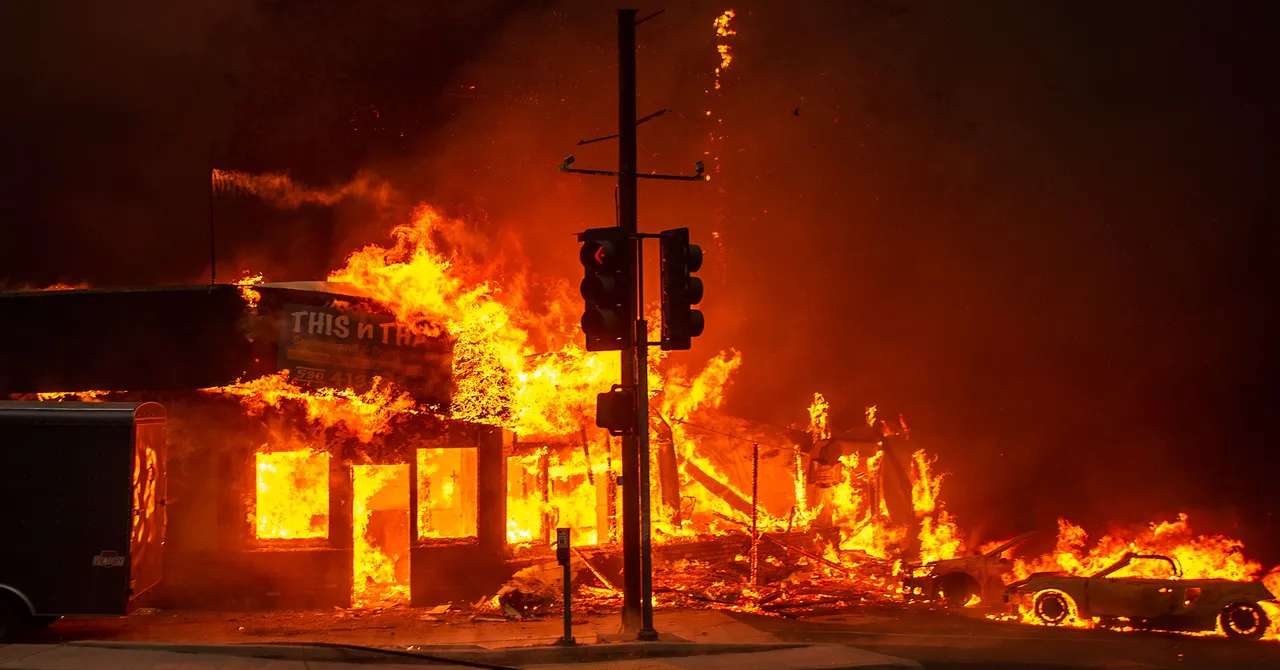
Northern Ontario Fire: Latest Updates, Wildfire Conditions, Emergency Response and Safety Information
A growing wildfire concern in Northern Ontario has placed communities, emergency crews, and residents on high alert as firefighters work to contain active fires and protect homes, forests, and critical infrastructure.
Northern Ontario is known for its vast forests, remote landscapes, and challenging firefighting conditions. During periods of hot weather, dry vegetation, and strong winds, wildfires can spread quickly, creating dangerous conditions for nearby communities and travelers.
Fire officials continue to monitor wildfire activity throughout the region while crews use specialized equipment, aircraft, and ground teams to fight flames and prevent further spread.
Northern Ontario Fire Situation: What Residents Need to Know
Wildfires in Northern Ontario can develop rapidly due to changing weather conditions. Firefighters are closely watching areas where dry conditions and high temperatures increase the risk of new outbreaks.
Residents are being reminded to:
- Follow all local fire restrictions and bans
- Avoid activities that could accidentally start fires
- Stay informed through official emergency updates
- Prepare evacuation plans if they live near forested areas
- Keep emergency supplies ready during periods of high wildfire risk
Authorities continue to emphasize that early awareness and quick action are critical when dealing with wildfire emergencies.
Firefighters Respond as Crews Battle Challenging Conditions
Fighting fires in Northern Ontario presents unique challenges. Many wildfire areas are located in remote forests where access can be difficult. Crews often rely on helicopters, water bombers, heavy equipment, and trained wildfire specialists to slow the spread of flames.
Firefighters are working around the clock to:
- Build containment lines around active fires
- Protect nearby communities
- Monitor changing wind patterns
- Reduce the risk of new fire growth
- Support evacuation and emergency operations when required
The dedication of wildfire crews remains a key factor in protecting Northern Ontario communities during dangerous fire seasons.
Weather Conditions Increase Wildfire Concerns
Weather plays a major role in wildfire development. Hot temperatures, limited rainfall, dry forests, and strong winds can create ideal conditions for rapid fire growth.
Experts warn that even a small ignition source, such as an unattended campfire, discarded cigarette, or equipment spark, can quickly become a major wildfire under the right conditions.
Residents and visitors are encouraged to take extra precautions while enjoying outdoor activities across Northern Ontario.
Impact on Northern Ontario Communities
Wildfires can affect communities in several ways, including:
- Temporary evacuation alerts or orders
- Poor air quality caused by wildfire smoke
- Road closures and travel disruptions
- Threats to forests and wildlife habitats
- Pressure on emergency services
Smoke from large fires can travel hundreds of kilometres, affecting air quality even in areas far away from the flames.
People with respiratory conditions, seniors, and young children should monitor air quality conditions and reduce outdoor activity when smoke levels become unhealthy.
How Residents Can Stay Safe During a Wildfire Emergency
Emergency officials recommend that residents prepare before a wildfire threatens their area.
A wildfire safety plan should include:
- A list of emergency contacts
- Important documents stored safely
- Medication and essential supplies
- Pet and livestock arrangements
- A plan for leaving quickly if evacuation is ordered
Residents should never ignore evacuation warnings, as wildfire conditions can change quickly and become dangerous with little notice.
Northern Ontario Fire Prevention Reminders
Preventing wildfires is one of the most effective ways to protect communities and natural areas.
Simple actions can make a major difference:
- Fully extinguish campfires before leaving
- Avoid burning during restricted periods
- Maintain vehicles and outdoor equipment properly
- Follow provincial fire safety regulations
- Report suspicious fires immediately
Public cooperation plays an important role in reducing wildfire risks across Northern Ontario.
What Happens Next?
Fire officials will continue monitoring wildfire activity, weather conditions, and containment progress. Updates may change as crews gather more information and conditions develop.
Residents are encouraged to rely on official sources for accurate information and avoid spreading unverified reports online.
The situation remains active, and emergency crews continue working to protect Northern Ontario communities and surrounding wilderness areas.
Frequently Asked Questions (FAQ)
What is causing fires in Northern Ontario?
Northern Ontario fires can be caused by lightning, human activity, equipment sparks, unattended campfires, and other accidental sources. Dry weather conditions can increase the likelihood of rapid fire spread.
Are Northern Ontario wildfires dangerous right now?
Wildfire danger depends on location, weather conditions, and fire activity. Residents should monitor official updates and follow any emergency instructions issued by authorities.
Are evacuations happening because of Northern Ontario fires?
Evacuation alerts or orders may be issued when fires threaten communities. Residents should follow instructions from local emergency officials.
How can people help prevent Northern Ontario wildfires?
People can help by following fire bans, properly extinguishing campfires, avoiding risky outdoor activities during dry conditions, and reporting fires quickly.
Does wildfire smoke affect areas far from the fire?
Yes. Smoke from Northern Ontario wildfires can travel long distances and impact air quality in surrounding regions.
Where can residents get official Northern Ontario fire updates?
Residents should check updates from provincial emergency services, local municipalities, and official wildfire information sources for the most accurate information.