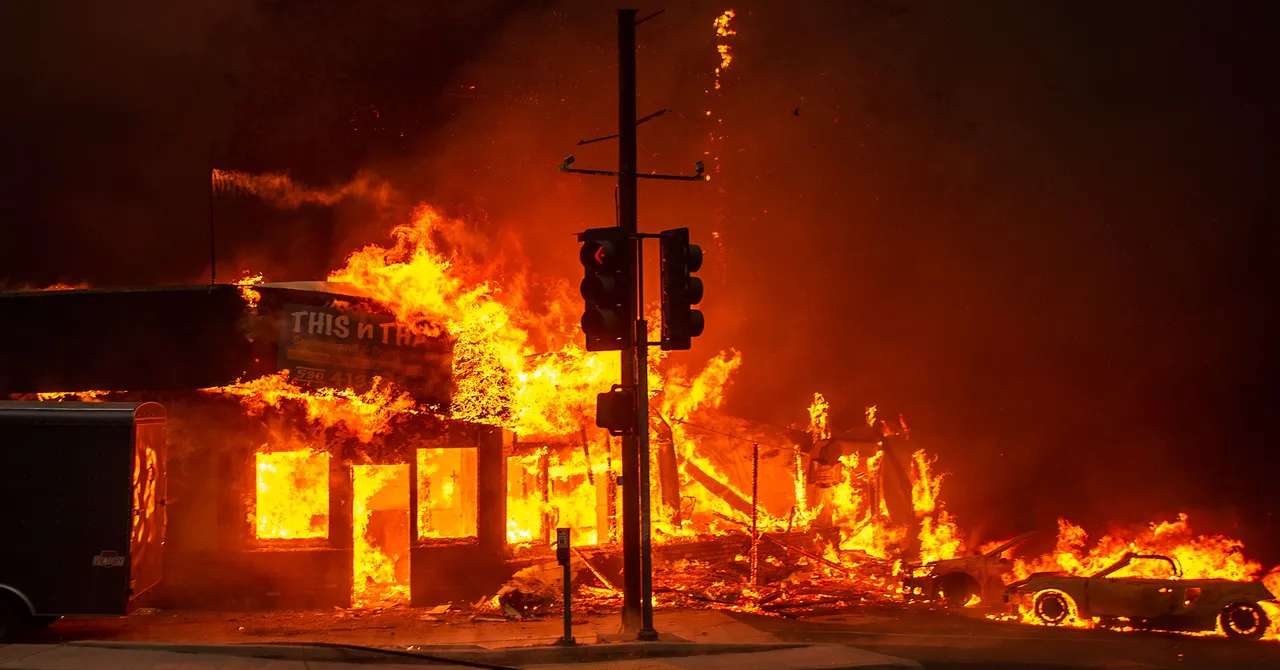
Massachusetts Wildfire: Latest Updates, Fire Risks, Evacuations, Causes, and Safety Information
Wildfire activity in Massachusetts has drawn attention as officials, firefighters, and local communities remain vigilant amid changing weather conditions and increased fire risks. Dry vegetation, strong winds, and warmer temperatures can create dangerous conditions where small fires may spread quickly across forests, parks, and rural areas.
Authorities continue to remind residents that wildfire prevention and early reporting are critical in protecting homes, wildlife, and natural areas. Fire departments across Massachusetts are prepared to respond to emerging incidents while monitoring areas vulnerable to rapid fire growth.
What Is Happening With Wildfires in Massachusetts?
Wildfires in Massachusetts can occur throughout the year, but the risk often increases during periods of low rainfall, dry vegetation, and elevated temperatures. Forested regions, wooded neighborhoods, and areas with heavy brush can become vulnerable when conditions allow flames to spread.
Fire officials typically monitor:
- Dry forest conditions
- Wind speed and direction
- Temperature levels
- Humidity changes
- Fire danger ratings
- Reports of smoke or active flames
Residents are encouraged to stay informed through official emergency alerts and local fire department updates.
Why Are Wildfires Increasing in Massachusetts?
Several environmental and human factors can contribute to wildfire risks across Massachusetts.
Dry Weather Conditions
When forests and grasslands lose moisture, plants and fallen leaves can become fuel for fires. Even a small spark can ignite dry materials and create a rapidly expanding wildfire.
Human-Caused Fires
Many wildfires are linked to human activity, including:
- Unattended campfires
- Outdoor burning
- Discarded cigarettes
- Equipment sparks
- Fireworks
- Improper disposal of ashes
Fire officials often emphasize that prevention is one of the most effective ways to reduce wildfire damage.
Climate and Seasonal Changes
Longer periods of warm weather and changing precipitation patterns can create conditions where wildfire seasons become more challenging to manage.
Wildfire Safety Tips for Massachusetts Residents
Residents living near wooded areas should take precautions to reduce wildfire risks.
Create Defensible Space Around Homes
Homeowners can help protect properties by:
- Removing dry leaves and dead vegetation
- Trimming trees away from buildings
- Clearing brush near structures
- Keeping gutters free of debris
- Storing firewood away from homes
Prepare an Emergency Plan
Families should have a wildfire preparedness plan that includes:
- Emergency contact information
- Important documents
- Medication supplies
- Pet evacuation plans
- Multiple evacuation routes
Stay Updated During Fire Emergencies
During wildfire events, residents should monitor:
- Local emergency alerts
- Fire department announcements
- Weather updates
- Evacuation notices
Impact of Wildfires on Communities and the Environment
Wildfires can affect Massachusetts communities in several ways, including:
- Threats to homes and businesses
- Poor air quality caused by smoke
- Road closures
- Wildlife habitat damage
- Disruption to outdoor activities
Smoke from wildfires can sometimes travel significant distances, affecting air quality even outside the immediate fire area.
How Firefighters Respond to Massachusetts Wildfires
Fire crews use multiple strategies to control wildfires, including:
- Ground firefighting teams
- Water tankers
- Fire engines
- Controlled firebreaks
- Aerial support when needed
- Weather monitoring
Successful wildfire response often depends on early detection and rapid action.
What Residents Should Do If a Wildfire Approaches
If officials issue evacuation instructions, residents should:
- Leave immediately when ordered.
- Avoid driving through smoke or fire areas.
- Follow official evacuation routes.
- Bring essential supplies.
- Check on vulnerable neighbors if it is safe.
Waiting too long to evacuate can put lives at risk.
Massachusetts Wildfire Prevention: How Everyone Can Help
Residents can reduce wildfire risks by:
- Following outdoor burning restrictions
- Extinguishing campfires completely
- Avoiding activities that create sparks during dry conditions
- Reporting smoke or suspicious fires quickly
- Teaching children about fire safety
Small actions can prevent major disasters.
Frequently Asked Questions (FAQ)
What causes most wildfires in Massachusetts?
Many Massachusetts wildfires are caused by human activity, including unattended fires, outdoor burning, equipment sparks, and improperly discarded smoking materials. Natural causes such as lightning can also start fires.
Are wildfires common in Massachusetts?
While Massachusetts does not experience wildfires as frequently as some western states, forest fires do occur, especially during dry and windy conditions.
Which areas of Massachusetts are most vulnerable to wildfires?
Areas with large forests, dry vegetation, rural landscapes, and wooded residential neighborhoods can face higher wildfire risks.
How can I stay updated about a Massachusetts wildfire?
Residents should follow official emergency alerts, local fire department announcements, and trusted government sources for the latest information.
What should I do if I see smoke or a possible wildfire?
Move away from danger and report the fire to emergency services. Providing accurate information about the location can help firefighters respond faster.
Can wildfire smoke affect Massachusetts air quality?
Yes. Smoke from local or distant wildfires can reduce air quality and may affect people with respiratory conditions, children, and older adults.
Final Thoughts
Massachusetts wildfires remain a serious reminder of the importance of fire prevention, emergency preparedness, and community awareness. As weather patterns change and dry conditions develop, residents are encouraged to remain cautious, follow safety guidance, and take steps to protect their homes and neighborhoods.
Staying informed and acting quickly during wildfire emergencies can help reduce damage and keep Massachusetts communities safer.