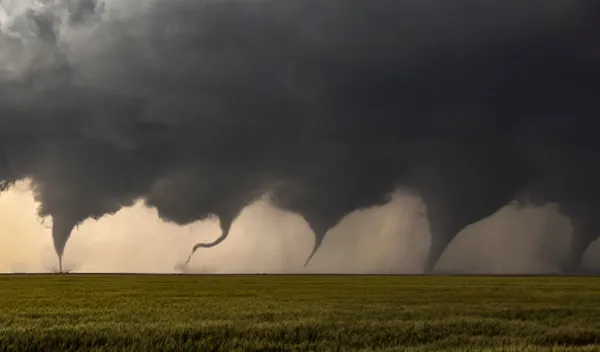
Tornado Warning Edmonton: Severe Storm Alert Issued as Residents Urged to Take Immediate Safety Precautions
Residents across Edmonton and surrounding communities are being urged to remain alert as severe weather conditions bring the potential for dangerous storms and possible tornado activity. A tornado warning means that conditions are favorable for a tornado or that a tornado has been detected, requiring people to take immediate action to protect themselves.
Severe thunderstorms can develop quickly, bringing powerful winds, heavy rainfall, lightning, hail, and the possibility of tornado formation. Weather officials continue to monitor storm systems affecting the Edmonton region and are advising residents to stay informed through official alerts and emergency updates.
Edmonton Tornado Warning: What Residents Should Know
A tornado warning is one of the highest levels of severe weather alerts. Unlike a tornado watch, which means conditions could support tornado development, a warning indicates that a tornado may already be occurring or is considered highly possible.
Residents in Edmonton should:
- Monitor weather alerts and emergency notifications
- Avoid unnecessary travel during severe storms
- Stay indoors until the warning has officially ended
- Prepare a safe shelter area in case conditions worsen
- Keep mobile devices charged for emergency updates
Severe Weather Conditions Across Edmonton
Tornado-producing storms are often associated with rapidly changing weather patterns, including warm, humid air colliding with cooler air systems. These conditions can create powerful thunderstorms capable of producing:
- Strong wind gusts
- Large hail
- Heavy rain and flash flooding
- Dangerous lightning
- Tornadoes or funnel clouds
Edmonton and parts of Alberta are known to experience severe summer storms, especially during periods of intense atmospheric instability.
Where to Take Shelter During a Tornado Warning
The safest place during a tornado is inside a sturdy building, away from windows.
Recommended safety actions include:
If You Are at Home:
- Move to a basement if available
- Shelter in a small interior room on the lowest floor
- Stay away from windows, doors, and exterior walls
- Protect yourself with blankets, pillows, or a mattress if debris becomes a concern
If You Are Outside:
- Immediately seek shelter inside a strong building
- Avoid trees, vehicles, and temporary structures
- Do not attempt to outrun a tornado on foot
If You Are Driving:
- Avoid stopping under bridges or overpasses
- Pull over safely if visibility becomes dangerous
- Seek a sturdy building if possible
- Keep emergency supplies in your vehicle during severe weather seasons
Edmonton Weather Alerts and Emergency Preparedness
During tornado warnings, residents should rely on trusted sources for accurate information. Weather conditions can change rapidly, and official alerts may be updated as storms move through the region.
Emergency preparedness experts recommend having:
- A battery-powered radio
- Flashlights and extra batteries
- First-aid supplies
- Drinking water
- Non-perishable food
- Important documents stored safely
Preparing before severe weather arrives can help reduce risks and improve response times.
Tornado Warning vs Tornado Watch: What Is the Difference?
Many people confuse tornado watches and warnings, but they have different meanings.
Tornado Watch:
A tornado watch means weather conditions are favorable for tornado development. Residents should stay informed and be ready to take action.
Tornado Warning:
A tornado warning means a tornado has been spotted, detected by radar, or is considered an immediate threat. People should seek shelter immediately.
Edmonton Residents Urged to Stay Updated
Severe weather events can change quickly, and residents should continue checking official weather alerts for updates. Even after a tornado warning ends, thunderstorms may continue to produce dangerous conditions, including strong winds, hail, and flooding.
Community safety remains the top priority as emergency officials and weather specialists monitor storm activity across Edmonton and surrounding areas.
Frequently Asked Questions (FAQ)
Is there currently a tornado warning in Edmonton?
A tornado warning means authorities are monitoring a serious threat of tornado activity. Residents should check official weather alert services for the latest status and updates.
What should I do during a tornado warning in Edmonton?
Go indoors immediately, move to a basement or interior room, stay away from windows, and continue monitoring emergency alerts.
How dangerous are tornadoes in Edmonton?
Tornadoes can be extremely dangerous because they can produce destructive winds, flying debris, property damage, and dangerous conditions within minutes.
What is the difference between a tornado watch and warning?
A watch means tornadoes are possible, while a warning means a tornado threat has been identified and immediate safety action is required.
How can I receive tornado alerts in Edmonton?
Residents can use official emergency alert systems, weather apps, and local weather services to receive severe weather notifications.
Can tornado warnings change quickly?
Yes. Tornado warnings can be issued, extended, or cancelled quickly depending on storm movement and updated weather information.