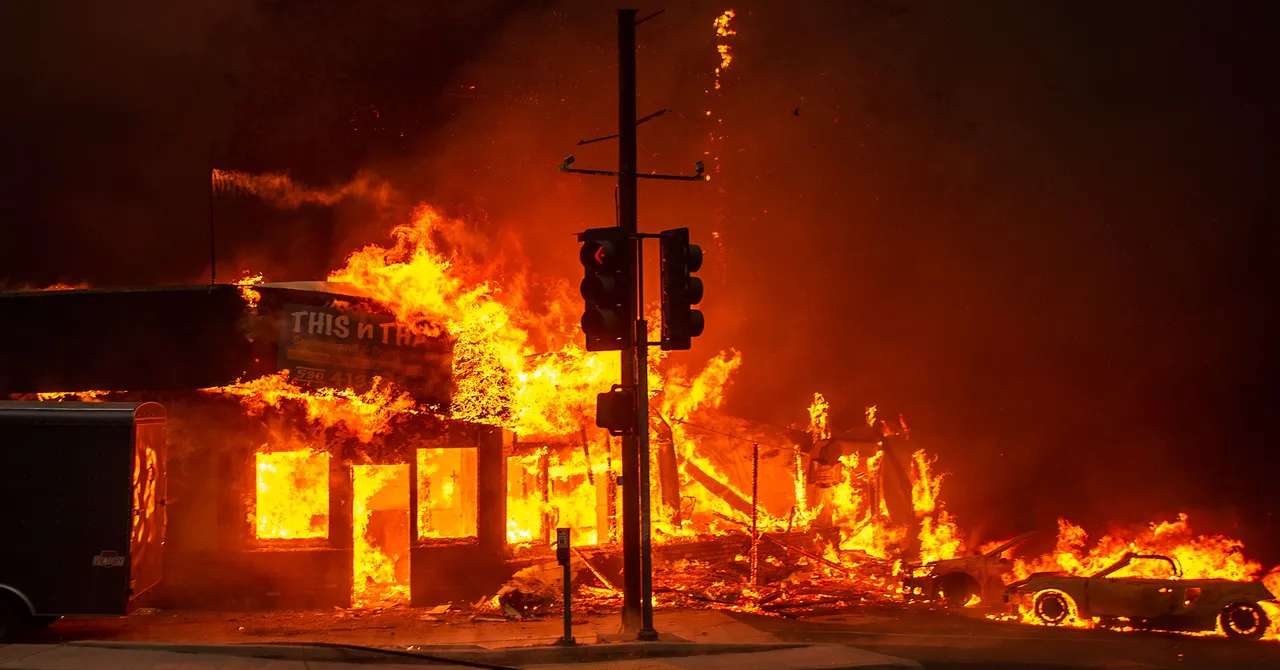
Pemberton Fire Evaluation: Authorities Continue Assessing Wildfire Conditions
Officials are continuing their Pemberton fire evaluation as emergency crews work to assess wildfire behavior, monitor changing weather conditions, and protect nearby communities. Firefighters remain focused on containing the blaze while investigators evaluate its size, rate of spread, potential threats to infrastructure, and environmental impacts.
The ongoing evaluation is helping emergency management officials determine whether evacuation alerts or orders should remain in place, how resources should be deployed, and what additional safety measures may be required as conditions evolve.
Wildfire activity can change rapidly depending on wind speeds, humidity, temperatures, and terrain, making continuous evaluation critical for both public safety and firefighting operations.
What Is Included in the Pemberton Fire Evaluation?
The wildfire evaluation typically involves several important assessments, including:
- Current fire size and perimeter mapping
- Fire intensity and rate of spread
- Weather forecast analysis
- Wind direction and speed
- Vegetation and fuel conditions
- Threats to homes, businesses, and infrastructure
- Potential impact on highways and transportation
- Air quality monitoring
- Resource requirements for suppression efforts
Emergency officials use aerial surveillance, satellite imagery, drones, and ground crews to build an accurate picture of the fire’s behavior.
Firefighters Continue Containment Operations
Wildland firefighters continue working around the clock using a combination of suppression tactics designed to slow and contain the fire.
Current operations may include:
- Building containment lines
- Structure protection
- Controlled backburns where conditions allow
- Helicopter water bucket operations
- Air tanker retardant drops
- Heavy equipment deployment
- Patrols to monitor hotspots
Crews also work to minimize the risk of spot fires caused by embers carried by strong winds.
Weather Plays a Critical Role
Fire behavior remains heavily influenced by weather conditions.
Officials closely monitor:
- Rising daytime temperatures
- Low relative humidity
- Gusty afternoon winds
- Overnight recovery conditions
- Potential lightning activity
Even moderate wind shifts can significantly change wildfire behavior and create new challenges for firefighters.
Evacuation Alerts and Public Safety
Depending on the fire evaluation, emergency officials may issue:
- Evacuation Orders
- Evacuation Alerts
- Road closures
- Area restrictions
- Public safety advisories
Residents living near affected areas should stay informed through official emergency notifications and be prepared to leave immediately if evacuation orders are expanded.
Emergency preparedness should include:
- Important documents
- Prescription medications
- Emergency supplies
- Clothing
- Pet supplies
- Phone chargers
- Identification
Air Quality Concerns
Smoke from the wildfire may affect surrounding communities even if flames remain some distance away.
Health officials recommend limiting outdoor activity if smoke becomes dense, especially for:
- Children
- Older adults
- Pregnant individuals
- People with asthma
- Individuals with heart or lung conditions
Using high-efficiency air filtration indoors may help reduce smoke exposure.
Possible Causes Under Investigation
The cause of the Pemberton fire remains under evaluation if officials have not released a final determination.
Wildfire investigations commonly examine whether ignition resulted from:
- Lightning
- Human activity
- Equipment use
- Vehicle-related sparks
- Campfires
- Power infrastructure
- Natural causes
Authorities typically release confirmed findings only after a thorough investigation has been completed.
Environmental Impact Assessment
Beyond suppression efforts, specialists continue evaluating the wildfire’s environmental effects.
Areas being monitored include:
- Forest damage
- Wildlife habitat impacts
- Watershed protection
- Soil stability
- Burn severity
- Long-term restoration needs
These evaluations help guide recovery efforts once the fire has been contained.
Community Response
Local emergency responders, volunteer organizations, and community members continue supporting affected residents by providing:
- Emergency shelter
- Food and water
- Animal assistance
- Medical support
- Information centers
- Recovery resources
Community cooperation remains essential as emergency operations continue.
What Residents Should Do
Residents are encouraged to:
- Monitor official wildfire updates regularly.
- Follow evacuation instructions immediately if issued.
- Avoid entering restricted areas.
- Keep emergency kits ready.
- Report new fires or suspicious smoke promptly.
- Reduce activities that could accidentally start additional fires.
Outlook
The Pemberton fire evaluation will continue as firefighters assess containment progress and changing environmental conditions. Officials will update the public as new information becomes available regarding fire behavior, evacuation status, road access, and recovery efforts.
Residents should continue relying on official emergency agencies for the latest verified information while remaining prepared for rapidly changing wildfire conditions.
Frequently Asked Questions (FAQ)
What is the Pemberton fire evaluation?
It is the ongoing assessment conducted by wildfire officials to determine the fire’s size, behavior, containment progress, risks to communities, and operational needs.
Are evacuations in effect?
Evacuation alerts or orders depend on current fire conditions and may change as officials complete updated evaluations.
What factors influence wildfire behavior?
Temperature, humidity, wind speed, terrain, and vegetation all play significant roles in determining how a wildfire spreads.
Has the cause of the fire been confirmed?
The cause may remain under investigation until fire officials complete a formal evaluation and release verified findings.
How can residents stay safe?
Residents should monitor official emergency updates, prepare evacuation plans, avoid restricted areas, and follow all instructions issued by emergency management authorities.
When will the fire be fully contained?
Containment timelines depend on weather conditions, available firefighting resources, terrain, and overall wildfire behavior. Officials provide updated containment percentages as suppression efforts continue.