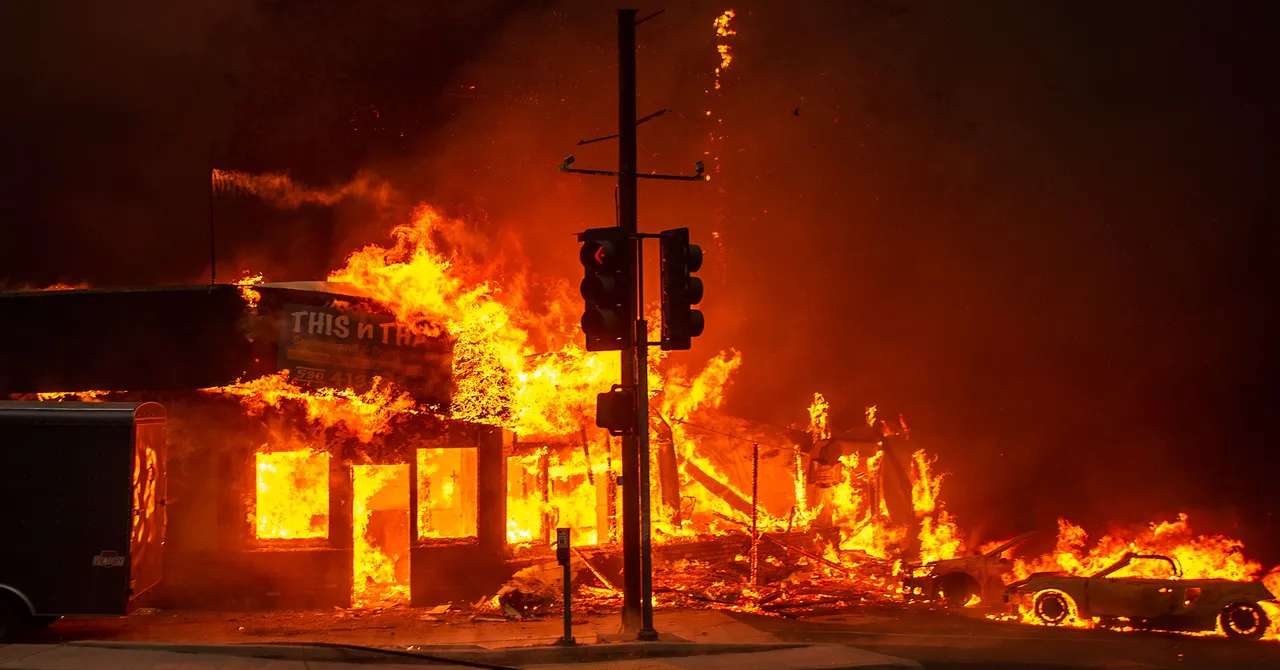
Fire in Canada Today: Latest Updates as Wildfires, Emergency Responses and Evacuation Alerts Continue
A major fire situation in Canada is drawing attention as emergency crews respond to ongoing incidents across the country. Residents, travelers and communities are closely monitoring updates as firefighters work to contain flames, protect homes and manage potential risks caused by changing weather conditions.
Canada experiences thousands of wildfires every year, particularly during the warmer months when dry conditions, strong winds and rising temperatures can increase the risk of rapid fire spread. Authorities continue to urge people in affected areas to stay informed, follow evacuation instructions and avoid entering restricted zones.
Latest Fire Updates Across Canada
Fire officials and emergency agencies are continuing to monitor active fire situations across several regions. Firefighting teams, including local crews and additional support personnel, are working around the clock to control flames and prevent further damage.
Depending on the location and severity of each incident, response efforts may include:
- Ground firefighting crews battling flames directly
- Helicopters and aircraft dropping water or fire retardant
- Evacuation preparations for nearby communities
- Road closures and travel restrictions
- Emergency shelters for displaced residents
- Continuous monitoring of weather conditions
Authorities are reminding the public that fire conditions can change quickly, especially during periods of high temperatures, low humidity and strong winds.
Why Are Fires Increasing in Canada?
Experts say several factors can contribute to the growth and intensity of fires in Canada, including:
Dry Weather Conditions
Long periods without significant rainfall can dry forests, grasslands and vegetation, creating fuel that allows fires to spread more easily.
Extreme Heat
High temperatures increase evaporation and reduce moisture levels in vegetation, making landscapes more vulnerable to ignition.
Strong Winds
Wind can push flames rapidly across large areas, making containment more difficult for firefighters.
Human Activity
Some fires are caused by human actions, including unattended campfires, equipment use, discarded cigarettes and accidental sparks.
Emergency Crews Continue Firefighting Operations
Fire departments, wildfire agencies and emergency responders are coordinating efforts to protect communities and critical infrastructure.
Firefighters often face challenging conditions, including:
- Thick smoke reducing visibility
- Difficult terrain
- Rapid changes in wind direction
- Extreme heat exposure
- Limited access to remote areas
Authorities continue to evaluate fire behavior and adjust strategies based on changing conditions.
Evacuation Alerts and Safety Advice for Residents
People living near active fire zones are encouraged to prepare for possible evacuation and follow official instructions.
Residents should:
- Keep emergency supplies ready
- Monitor local government alerts
- Have important documents accessible
- Prepare medications and essential items
- Avoid spreading unverified information
- Follow instructions from emergency officials
If an evacuation order is issued, residents are advised to leave immediately to avoid dangerous delays.
Smoke From Canadian Fires and Air Quality Concerns
Wildfires can create widespread smoke that affects communities far from the actual fire location. Smoke exposure may impact air quality and create health concerns, especially for:
- Children
- Older adults
- People with respiratory conditions
- Individuals sensitive to air pollution
Experts recommend limiting outdoor activity when smoke levels are high and keeping windows closed when necessary.
What Authorities Are Watching Closely
Officials are monitoring several key factors that influence fire development:
- Weather forecasts
- Wind speed and direction
- Rainfall levels
- Fire growth patterns
- Community safety risks
- Availability of firefighting resources
Updates are expected as emergency agencies continue assessments and containment operations.
How Canadians Can Help Prevent Fires
The public plays an important role in reducing wildfire risks. Safety measures include:
- Fully extinguishing campfires
- Following fire bans and restrictions
- Properly maintaining outdoor equipment
- Reporting suspicious smoke or fire activity
- Avoiding activities that create sparks during dry conditions
A small spark can quickly become a dangerous wildfire under the right conditions.
Frequently Asked Questions (FAQ)
What is the latest update on the fire in Canada today?
Fire situations across Canada continue to be monitored by emergency agencies. Updates depend on the specific location, weather conditions and firefighting progress.
Where are fires currently burning in Canada?
Active fires can occur in multiple provinces and territories, especially during wildfire season. Residents should check local emergency agencies for the most accurate regional information.
Are evacuations happening because of fires in Canada?
Some communities may receive evacuation alerts or orders when fires threaten public safety. Authorities issue warnings based on risk assessments.
Why are Canadian wildfires spreading quickly?
Dry vegetation, hot temperatures, strong winds and difficult terrain can cause fires to grow rapidly.
Is smoke from Canadian fires dangerous?
Wildfire smoke can affect air quality and may create health risks, particularly for vulnerable groups.
How can people stay safe during a wildfire?
Stay informed through official alerts, follow evacuation instructions, prepare emergency supplies and avoid entering fire-affected areas.
How long will the fire situation in Canada last?
The duration depends on weather conditions, fire size, available resources and how quickly crews can establish containment.