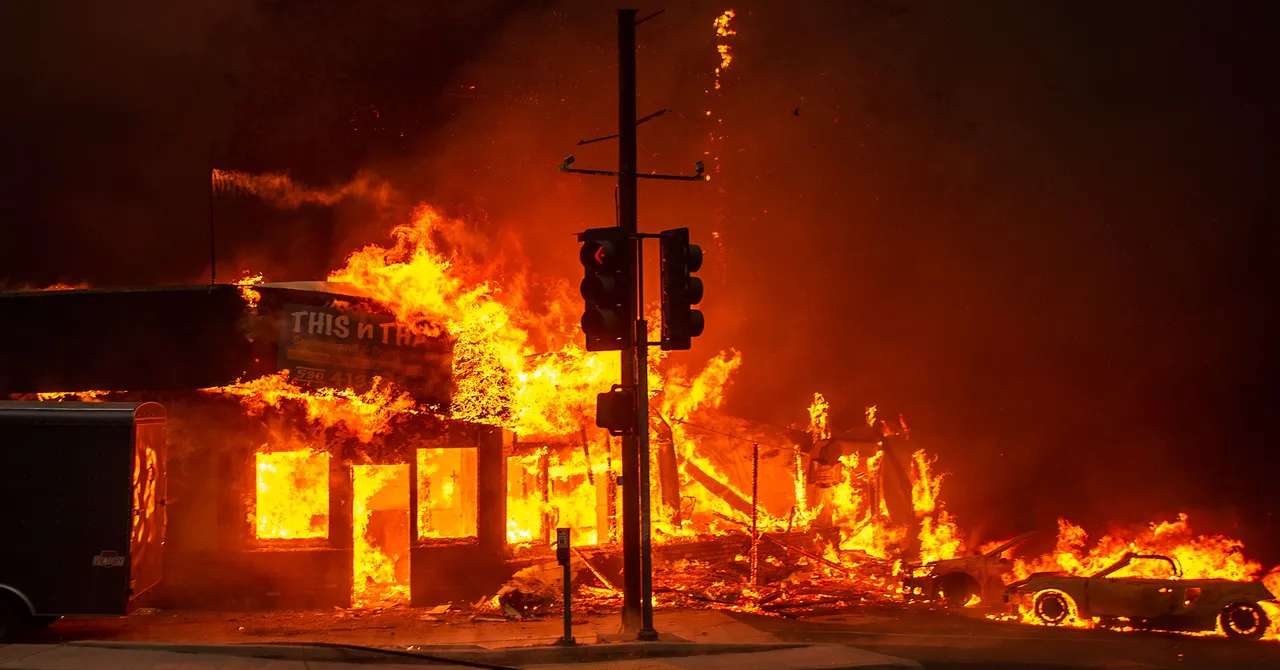
BWCA Fires: Wildfire Updates Spark Concerns Across Boundary Waters as Crews Monitor Conditions and Protect Wilderness Areas
The Boundary Waters Canoe Area Wilderness (BWCA) is once again drawing attention as wildfire activity raises concerns among campers, outdoor enthusiasts, and local communities. Known for its breathtaking lakes, forests, and remote wilderness, the BWCA requires constant monitoring during periods of increased fire danger.
Wildfires in the region can spread quickly due to dry vegetation, strong winds, warm temperatures, and changing weather conditions. Fire officials, conservation teams, and emergency responders continue to track conditions closely while working to protect visitors, wildlife, and one of Minnesota’s most treasured natural landscapes.
What Is Happening With BWCA Fires?
BWCA fires can range from small remote wilderness burns to larger wildfire events that require significant firefighting resources. Because the Boundary Waters covers more than a million acres of protected wilderness, managing fires in the area presents unique challenges.
Unlike fires in populated areas, wilderness fires may be difficult to access because many locations can only be reached by canoe, aircraft, or specialized firefighting crews.
Officials typically monitor:
- Fire size and growth patterns
- Wind direction and weather changes
- Smoke conditions
- Threats to campsites and travel routes
- Safety risks for visitors in remote areas
Fire crews may use a combination of strategies, including direct suppression, aerial support, and controlled monitoring when natural fire behavior helps maintain forest health.
Why Are BWCA Fires a Major Concern?
The BWCA is one of the most popular wilderness destinations in the United States, attracting thousands of visitors every year for canoe trips, camping, fishing, and outdoor adventures.
Wildfires can create challenges including:
1. Visitor Safety Risks
Campers in remote areas may have limited communication and transportation options. A changing wildfire situation can quickly affect travel plans.
2. Smoke and Air Quality Concerns
Even fires located far away can create unhealthy air conditions, especially for people with breathing difficulties.
3. Damage to Forest Ecosystems
Although fire is a natural part of many northern forest ecosystems, severe wildfires can damage habitats, impact wildlife, and alter landscapes for years.
4. Travel Restrictions and Closures
Authorities may close certain areas, trails, lakes, or campsites when fire conditions become dangerous.
BWCA Fire Causes: How Wildfires Start in the Wilderness
Wildfires in the Boundary Waters can begin from several sources, including:
- Lightning strikes during storms
- Unattended campfires
- Improper disposal of smoking materials
- Equipment sparks
- Human activity during dry conditions
During high-risk periods, officials often remind visitors to follow strict fire safety rules and respect temporary fire restrictions.
How Campers Can Stay Safe During BWCA Fire Activity
Anyone planning a trip to the Boundary Waters should take wildfire preparation seriously.
Before Traveling
Visitors should:
- Check current fire conditions
- Review official wilderness alerts
- Understand campsite restrictions
- Prepare emergency communication plans
- Carry maps and navigation tools
During a Trip
Campers should:
- Completely extinguish campfires
- Avoid burning during restricted periods
- Watch for smoke or unusual fire activity
- Report possible fires immediately
- Be prepared to change routes if conditions worsen
If a Fire Is Nearby
Visitors should:
- Follow instructions from officials
- Avoid entering closed areas
- Move away from smoke-filled locations
- Stay updated through official alerts
Environmental Impact of BWCA Fires
Fire is both a natural process and a potential threat in northern forests. Many ecosystems depend on periodic fires to regenerate vegetation and maintain biodiversity.
However, intense wildfires can affect:
- Forest growth patterns
- Wildlife habitats
- Water quality
- Recreational access
- Local tourism
Scientists and land managers often study wildfire behavior to better understand how forests respond and how future fire risks can be reduced.
BWCA Fires and Climate Conditions
Changing weather patterns have increased concerns about wildfire risks across many northern regions. Longer dry periods, warmer temperatures, and drought conditions can create environments where fires ignite more easily and spread faster.
Fire officials continue emphasizing prevention because even a small mistake in dry wilderness conditions can lead to a major emergency.
Latest BWCA Fire Updates: Where to Find Reliable Information
Because wildfire conditions can change quickly, visitors should rely on official sources for current information, including:
- Fire management agencies
- Wilderness officials
- Local emergency alerts
- Park and forest service announcements
Travelers should verify conditions before entering remote wilderness areas.
Frequently Asked Questions (FAQ) About BWCA Fires
What does BWCA stand for?
BWCA stands for Boundary Waters Canoe Area Wilderness, a protected wilderness region in northeastern Minnesota known for canoeing, camping, and outdoor recreation.
Are BWCA fires dangerous for visitors?
Some fires may create risks depending on location, size, weather conditions, and wind patterns. Visitors should always check current alerts before traveling.
Why are wildfires difficult to fight in the BWCA?
The remote landscape, lack of roads, and limited access make firefighting more challenging compared with fires in populated areas.
Can visitors still camp during BWCA fire activity?
Camping may still be allowed in some areas, but restrictions or closures can occur depending on fire danger and official decisions.
What causes most BWCA fires?
Wildfires may be caused by lightning, human activity, unattended campfires, or other accidental ignition sources.
How can people help prevent BWCA fires?
Visitors can help by following fire restrictions, properly extinguishing campfires, respecting wilderness rules, and reporting smoke or fire activity.
Conclusion
BWCA fires remain an important concern for wilderness officials, travelers, and outdoor communities. While fire plays a natural role in maintaining forest ecosystems, protecting visitors and preventing dangerous wildfire situations remains a top priority.
Anyone planning a Boundary Waters trip should stay informed, follow safety guidance, and prepare for changing conditions. Responsible outdoor practices can help preserve the BWCA’s forests, wildlife, and natural beauty for future generations.