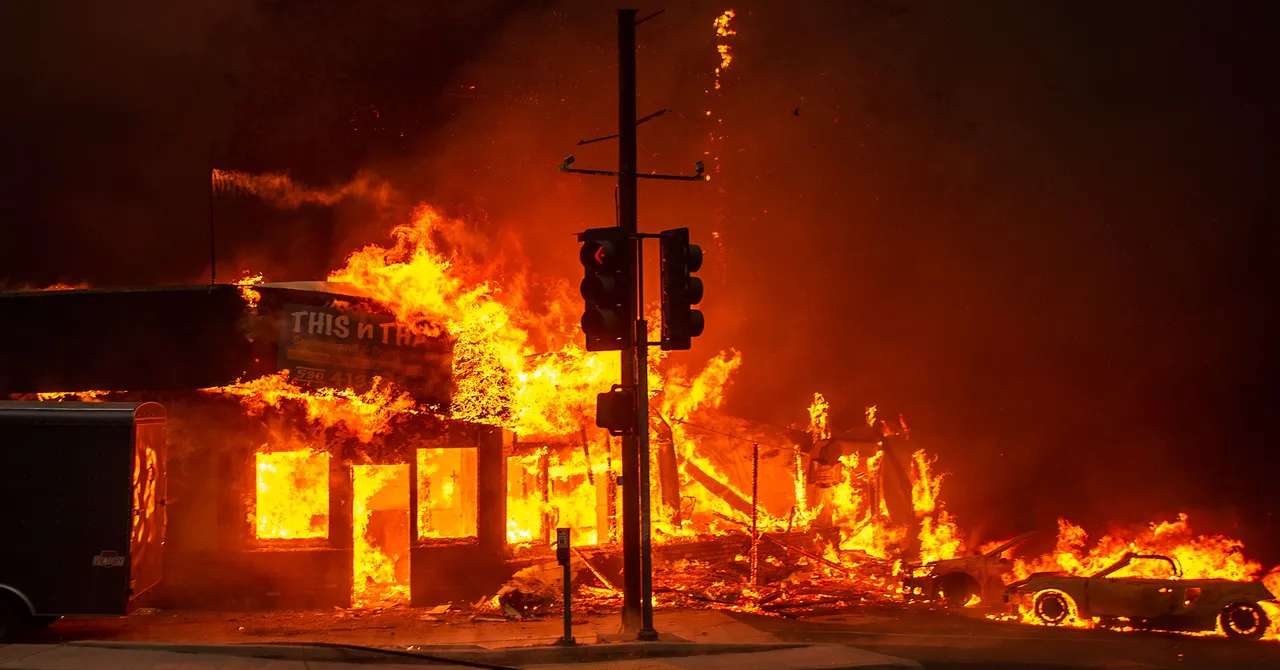
Lightning Sparks Fire Near Boise Radar Site Off S Road: What We Know About the Wildfire and Emergency Response
Lightning ignited a wildfire near the Boise radar site off S Road, prompting a rapid emergency response. Here’s everything we know about the fire, containment efforts, road impacts, and the latest updates.
Lightning strikes have once again highlighted the growing wildfire threat across Idaho after a fire broke out near the Boise radar site off S Road. Fire crews quickly responded to the blaze as dry vegetation, warm temperatures, and gusty winds created conditions favorable for rapid fire spread.
Authorities are continuing to monitor the incident while firefighters work to contain the flames and prevent the wildfire from threatening nearby infrastructure and surrounding public lands.
Lightning Ignites Fire Near Boise Radar Site
According to initial reports, the wildfire was started by a lightning strike near the Boise radar site located off S Road. Emergency dispatchers received reports of smoke shortly after thunderstorms moved through the region.
Wildland firefighters, local fire departments, and supporting agencies were dispatched immediately to the scene. Their primary objectives included:
- Stopping the fire’s forward spread.
- Protecting the radar facility and nearby infrastructure.
- Preventing the wildfire from expanding into surrounding vegetation.
- Monitoring changing weather conditions that could increase fire activity.
Firefighters Respond Quickly
Rapid detection allowed emergency crews to begin suppression efforts before the fire could grow significantly.
Firefighters utilized multiple suppression strategies, including:
- Constructing fire lines.
- Direct water application.
- Hand crews working rugged terrain.
- Continuous monitoring for spot fires caused by shifting winds.
Officials say weather conditions remain one of the biggest concerns as additional thunderstorms could bring gusty, erratic winds capable of increasing fire behavior.
Why Lightning Fires Are Dangerous
Lightning is among the leading natural causes of wildfires across the western United States.
A single lightning strike can:
- Ignite dry grass and brush.
- Smolder underground for hours before becoming visible.
- Spread rapidly during windy conditions.
- Create multiple fire starts during one storm system.
Even when rainfall accompanies thunderstorms, lightning can still ignite vegetation in areas receiving little precipitation.
Weather Conditions Increase Wildfire Risk
The Boise area has experienced periods of hot temperatures and dry fuels, making vegetation highly susceptible to ignition.
Fire officials continue reminding residents that:
- Lightning-caused fires can develop quickly.
- Wind direction may change unexpectedly.
- Smoke conditions can shift throughout the day.
- Fire danger often remains elevated even after storms pass.
Are There Any Evacuations?
At this time, officials have not announced widespread evacuation orders related to the fire near the Boise radar site.
However, residents living near the affected area should remain alert for updates from local emergency management agencies in case conditions change.
Emergency officials recommend:
- Monitoring official alerts.
- Preparing an evacuation plan if requested.
- Avoiding the fire area to allow emergency vehicles unrestricted access.
Possible Road Closures
Motorists traveling near the Boise radar site off S Road may encounter temporary traffic restrictions while firefighters continue suppression operations.
Drivers are encouraged to:
- Follow all posted detours.
- Watch for emergency vehicles.
- Avoid stopping to observe firefighting operations.
- Check local traffic advisories before traveling.
Fire Investigation
Authorities have indicated the fire was started by lightning, though investigators will continue assessing the origin and documenting the incident.
Lightning-caused fires are generally classified as naturally occurring wildfires unless evidence suggests another contributing factor.
Ongoing Firefighting Efforts
Crews are expected to remain on scene until the fire is fully contained. Even after visible flames are extinguished, firefighters often spend hours or days extinguishing hot spots to prevent rekindling.
Officials will continue evaluating:
- Fire size.
- Containment percentage.
- Weather impacts.
- Smoke conditions.
- Any potential threats to nearby structures.
Wildfire Safety Tips
Residents can help protect themselves during wildfire incidents by:
- Staying informed through official emergency alerts.
- Avoiding areas affected by smoke whenever possible.
- Keeping emergency supplies readily available.
- Following evacuation instructions immediately if issued.
- Reporting any new smoke or fire sightings to emergency services.
Latest Update
Emergency responders remain actively working the lightning-caused fire near the Boise radar site off S Road. Additional information regarding containment, acreage, and any operational changes is expected as firefighting efforts continue.
Residents are encouraged to rely on official updates from local fire agencies and emergency management officials for the latest developments.
Frequently Asked Questions (FAQ)
What caused the fire near the Boise radar site?
Preliminary reports indicate the wildfire was started by a lightning strike following thunderstorms in the area.
Where is the fire located?
The fire is burning near the Boise radar site off S Road in the Boise area.
Are firefighters on the scene?
Yes. Multiple firefighting resources responded quickly and continue working to contain the wildfire.
Have evacuations been ordered?
As of the latest available information, no widespread evacuations have been announced. Residents should continue monitoring official emergency alerts.
Could roads be closed?
Yes. Temporary traffic restrictions or road closures may occur near the incident to support firefighting operations.
Is the fire contained?
Fire crews continue suppression efforts, and containment information will be updated as officials release new details.
What should residents do?
Stay informed through official emergency notifications, avoid the fire area, and be prepared to follow evacuation instructions if conditions change.