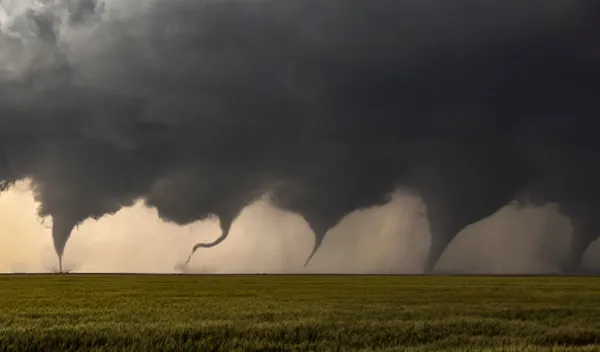
Monsoon Tornado: Latest Updates on the Rare Weather Event
A monsoon tornado has captured widespread attention as severe thunderstorms associated with monsoon moisture created conditions favorable for tornado development. While tornadoes are often associated with spring storms across Tornado Alley, meteorologists note that powerful monsoon systems can also generate rotating thunderstorms capable of producing destructive tornadoes.
Emergency responders continue assessing storm damage while weather officials monitor the situation for additional severe weather threats. Residents in affected communities have been urged to remain alert as heavy rainfall, flash flooding, damaging winds, hail, and isolated tornadoes remain possible.
The unusual combination of monsoon moisture and atmospheric instability has made this weather event one of the most talked-about severe weather stories.
What Is a Monsoon Tornado?
A monsoon tornado is a tornado that develops during the North American monsoon season or within weather systems fueled by monsoon moisture. Although less common than tornadoes that form during traditional spring outbreaks, these tornadoes can be equally dangerous.
Monsoon storms often produce:
- Intense thunderstorms
- Heavy rainfall
- Frequent lightning
- Strong wind gusts
- Flash flooding
- Large hail
- Isolated tornadoes
When warm, moist air combines with wind shear and atmospheric instability, rotating thunderstorms known as supercells may develop, creating conditions favorable for tornado formation.
Latest Weather Situation
Weather experts report that the severe weather system has produced multiple thunderstorms capable of generating damaging winds and isolated tornadoes.
Current concerns include:
- Tornado warnings in affected areas
- Flash flood risks from torrential rainfall
- Downed trees and power lines
- Localized power outages
- Road closures due to flooding
- Dangerous travel conditions
Emergency management officials continue encouraging residents to monitor weather alerts throughout the day as storm conditions may rapidly change.
Damage Reports
Initial reports indicate the storm has caused varying levels of damage, including:
- Roof damage to homes and businesses
- Fallen trees blocking roads
- Power outages affecting neighborhoods
- Structural damage from strong winds
- Flooded streets and highways
- Debris scattered across impacted communities
Authorities are conducting damage assessments to determine the full extent of the storm’s impact.
Why Monsoon Tornadoes Are Rare
Unlike classic tornado outbreaks fueled by cold fronts across the central United States, monsoon tornadoes develop within tropical moisture surging northward from the Gulf of California and eastern Pacific.
Meteorologists explain that although the atmosphere during monsoon season typically favors heavy rainfall, certain weather patterns can create enough wind shear and instability to support rotating thunderstorms capable of producing tornadoes.
These events remain relatively uncommon but are not unprecedented, particularly across parts of:
- Arizona
- New Mexico
- Southern Nevada
- Utah
- Western Texas
- Northern Mexico
Safety Tips During a Monsoon Tornado
If a tornado warning is issued:
- Move immediately to a basement or interior room on the lowest floor.
- Stay away from windows and exterior walls.
- Protect your head and neck with blankets, pillows, or a helmet.
- Avoid driving through flooded roadways.
- Keep a weather radio or emergency alerts enabled on your smartphone.
- Prepare emergency supplies including water, flashlights, batteries, medications, and important documents.
If caught outdoors with no shelter available, seek the lowest possible ground away from trees and vehicles while remaining aware of flash flood dangers.
Travel and Power Outage Concerns
Storm-related hazards may continue after tornadoes dissipate. Travelers should watch for:
- Flooded highways
- Fallen power lines
- Traffic signal outages
- Reduced visibility from heavy rain
- Debris on roadways
Utility crews are working to restore electricity where outages have occurred, though restoration times vary depending on the severity of the damage.
How Meteorologists Track Monsoon Tornadoes
Weather agencies rely on advanced forecasting tools to detect tornado development, including:
- Doppler radar
- Weather satellites
- Storm spotter reports
- Mobile weather observations
- Atmospheric computer models
These technologies help forecasters issue warnings that can provide valuable minutes for people to seek shelter.
Could More Severe Weather Develop?
Meteorologists continue monitoring atmospheric conditions closely. If warm, humid air remains in place alongside favorable wind patterns, additional severe thunderstorms capable of producing tornadoes, damaging winds, and flash flooding may develop.
Residents should continue monitoring official weather forecasts and emergency alerts until the severe weather threat has passed.
Frequently Asked Questions (FAQ)
What is a monsoon tornado?
A monsoon tornado is a tornado that forms within thunderstorms fueled by monsoon moisture, usually during the North American monsoon season.
Are monsoon tornadoes common?
No. They are relatively rare but can occur when atmospheric conditions include sufficient instability and wind shear.
What dangers accompany a monsoon tornado?
Besides tornadoes, these storms often bring heavy rainfall, flash flooding, hail, damaging winds, lightning, and power outages.
How should I prepare for a tornado warning?
Seek shelter immediately in an interior room on the lowest floor of a sturdy building, avoid windows, and monitor official weather alerts.
Can monsoon storms produce flash floods without a tornado?
Yes. Flash flooding is often one of the most significant hazards associated with monsoon storms, even when tornadoes do not develop.
Conclusion
The monsoon tornado serves as a reminder that severe weather can develop outside the traditional tornado season. As emergency crews respond to damage and meteorologists continue tracking evolving weather conditions, residents are encouraged to remain vigilant, follow official warnings, and prioritize safety. Staying informed through trusted weather updates and having an emergency plan can make a critical difference during rapidly changing storm conditions.