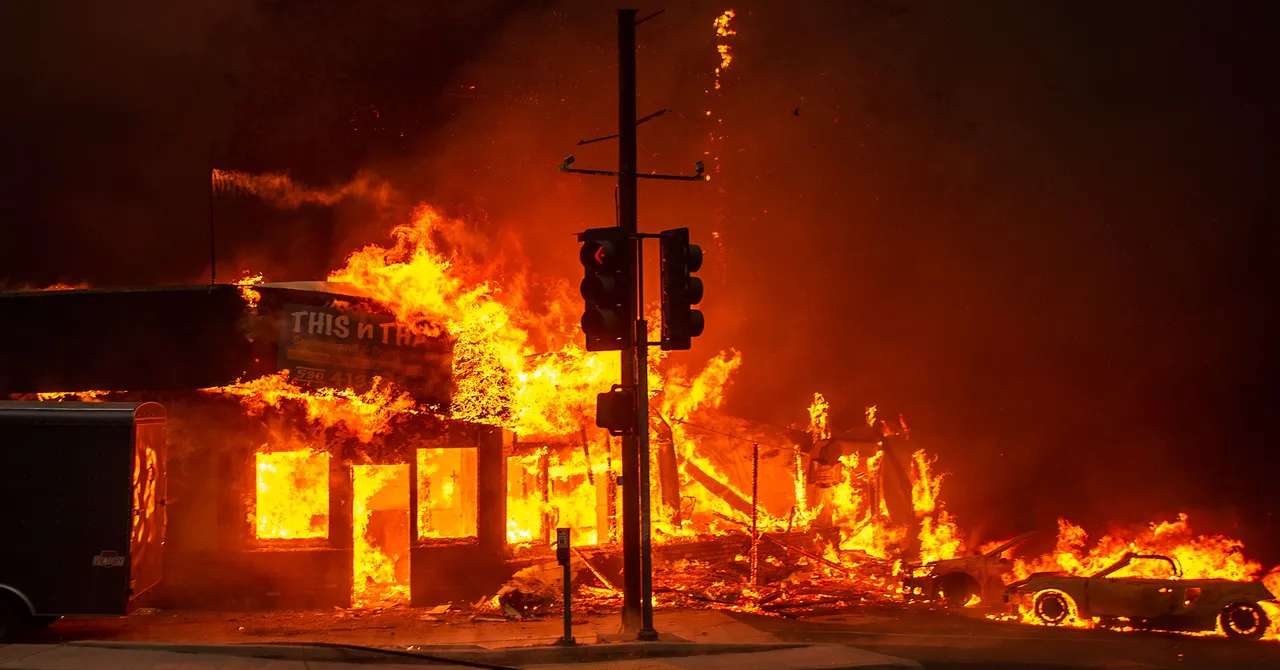
Shady Cove Fire Today: Latest Updates, Evacuations, Cause Investigation, Road Closures, and What Residents Need to Know
Stay updated on the latest Shady Cove fire with breaking news, evacuation information, containment efforts, road closures, air quality alerts, and official updates as firefighters battle the blaze.
Shady Cove Fire Today: Everything We Know So Far
A wildfire near Shady Cove, Oregon, has drawn significant attention as firefighters continue working to contain the blaze amid dry conditions and elevated wildfire danger. The fire has prompted emergency response efforts, with authorities closely monitoring its spread to protect nearby homes, businesses, and critical infrastructure.
While emergency crews work around the clock, residents are urged to stay informed through official emergency alerts and follow any evacuation instructions issued by local authorities.
The situation remains dynamic, with fire behavior changing depending on weather conditions, wind speeds, humidity levels, and terrain.
Where Is the Shady Cove Fire?
The wildfire is burning in or near the Shady Cove area of Jackson County, Oregon, a community located northeast of Medford along the Rogue River.
The region is known for:
- Dense forests
- Steep hillsides
- Recreational areas
- Campgrounds
- Residential neighborhoods bordering wildland
These conditions can make wildfire suppression challenging, particularly during periods of high temperatures and gusty winds.
Firefighters Continue Suppression Efforts
Fire crews from multiple agencies have been deployed to slow the fire’s advance and protect threatened structures.
Current firefighting operations may include:
- Ground crews constructing containment lines
- Air tankers dropping fire retardant
- Helicopters conducting water drops
- Bulldozers creating firebreaks
- Structure protection around homes
- Patrols monitoring spot fires
Emergency responders continue assessing fire behavior throughout the day as weather conditions evolve.
Evacuations and Public Safety
Officials may issue evacuation notices if fire conditions worsen.
Residents should remain prepared by:
- Packing emergency supplies
- Keeping important documents accessible
- Preparing medications and pet supplies
- Charging phones and backup batteries
- Monitoring emergency notifications
- Leaving immediately if ordered to evacuate
Authorities emphasize that evacuation orders are issued to protect lives and should never be ignored.
Road Closures and Traffic Impacts
Motorists traveling through the Shady Cove area should expect possible:
- Temporary road closures
- Traffic delays
- Restricted access near fire zones
- Emergency vehicle activity
Drivers should avoid affected areas whenever possible and never bypass roadblocks established by emergency personnel.
Weather Could Influence Fire Behavior
Weather remains one of the most important factors affecting wildfire growth.
Fire activity can increase when conditions include:
- High temperatures
- Low humidity
- Gusty afternoon winds
- Dry vegetation
- Limited overnight moisture recovery
Even small wind shifts can change the direction and intensity of a wildfire.
Air Quality Concerns
Smoke from the wildfire may impact surrounding communities, reducing visibility and creating unhealthy air conditions.
Health officials recommend that vulnerable individuals—including children, older adults, and people with asthma or heart disease—limit outdoor activity if smoke becomes heavy.
Residents may also consider:
- Keeping windows closed
- Running air filtration systems
- Wearing properly fitted respirator masks if outdoors during smoky conditions
- Following local air quality advisories
Cause of the Fire Under Investigation
At this stage, investigators are working to determine what sparked the wildfire.
Potential wildfire causes often include:
- Lightning
- Human activity
- Equipment use
- Vehicle-related sparks
- Power line issues
- Campfires
- Debris burning
Officials typically conduct detailed investigations before confirming an official cause.
Community Response
Local residents have shown support for firefighters by:
- Following evacuation guidance
- Donating supplies through approved organizations
- Assisting neighbors
- Sharing verified emergency information
- Remaining alert to changing conditions
Emergency management officials continue encouraging the public to rely on official updates instead of rumors circulating on social media.
Wildfire Safety Tips
If you live near the fire area, remember to:
- Monitor official emergency alerts frequently.
- Have an evacuation plan ready.
- Keep your vehicle fueled.
- Prepare an emergency “go bag.”
- Protect pets and livestock if evacuation becomes necessary.
- Stay away from active firefighting operations.
Preparation can make a significant difference if fire conditions change rapidly.
What’s Next?
Fire crews will continue working to increase containment while monitoring weather conditions that could affect the wildfire’s spread.
Officials are expected to provide additional updates regarding:
- Fire size
- Containment percentage
- Evacuation levels
- Road closures
- Damage assessments
- Cause determination
Residents should continue checking official emergency management and fire agency announcements for the latest verified information.
Frequently Asked Questions (FAQ)
Where is the Shady Cove fire located?
The wildfire is burning in or near Shady Cove in Jackson County, Oregon, northeast of Medford.
Are there evacuation orders?
Evacuation notices depend on changing fire conditions. Residents should monitor official emergency alerts for the latest instructions.
What caused the Shady Cove fire?
The official cause has not yet been confirmed and remains under investigation unless authorities announce otherwise.
Are roads closed?
Some roads near the fire may be temporarily closed or restricted to support firefighting operations and ensure public safety.
Is the fire contained?
Containment efforts are ongoing, and firefighters continue working to slow the fire while protecting nearby communities.
How can residents stay safe?
Stay informed through official emergency alerts, prepare for possible evacuation, avoid fire-affected areas, and follow instructions from local authorities.